Zakaria Shuvo
Author & StrategistA marketing channel is any pathway or platform a business uses to communicate with its potential customers. Simply put, it is the medium through which your brand delivers messages, promotions, and value to your target audience. Common examples include social media platforms, email, search engines, websites, TV, and even direct communication like calls or in-person meetings.
In marketing terms, the definition of a marketing channel includes both traditional and digital touchpoints. From billboards to Instagram reels, all are forms of marketing channels. When we talk about what marketing channels are, we refer to the routes products and services take from your business to the customer, including all communication and engagement steps.
The marketing channel is critical for your business to understand because it helps you plan the best way to reach your audience. Whether you’re using direct channel marketing like email newsletters or relying on channel marketing strategies through influencers or affiliate partners, the goal remains the same: reaching the right people at the right time.
Why Marketing Channels Matter for Your Business
Dulkar is a personalized gift shop owner. For him, selecting the right channel for marketing strategy is vital. Dulkar makes unique, handcrafted gifts based on the stories his customers provide. His business grew not because of the product but also due to the emotion behind the brand. So, the channel identification he chooses must reflect that emotion.
Define channel marketing as the approach of selecting the most effective communication and distribution pathways that reflect the brand’s values and meet customers where they are. For example, a visually rich business like Dulkar’s may perform better on Instagram or Pinterest, while a B2B SaaS tool might prioritize LinkedIn or Google Search.
How to Identify the Right Marketing Channel
Every channels will not work equally for your business. Sometime a channel can backfire your brand reputation. A critical part of developing a successful marketing channel strategy is understanding your audience, their habits, preferences, and decision-making styles.
Start by asking:
Where does your audience spend most of their time?
How do they typically make purchases?
What kind of content do they trust?
Once you have these answers, you can begin channel identification.
Steps for Choosing the Right Channels:
To make channel selection work, focus on the sequence of actions your buyers take.
Understand Your Customer Journey
Think through the path a buyer takes from first discovering your brand to becoming a loyal customer. Visualize this journey as a funnel: social media builds awareness, your website deepens interest, and email turns curiosity into action. Each stage needs the right channel to keep the momentum moving forward.
Match Each Channel to Its Strength
Social Media builds visibility and creates a space for conversation.
Email nurtures leads and encourages repeat purchases.
WhatsApp delivers timely updates, special offers, and personal messages.
SEO/Search attracts visitors with clear purchase intent.
Paid Ads deliver quick traffic when paired with a strong return plan.
Start Focused, Then Expand
Launch with one or two channels that best align with your goals and audience. Track engagement, leads, and conversions closely. Once the numbers prove strong, increase your investment and scale into additional channels for broader reach.
Types of Marketing Channels
Let’s look at the most common marketing channels, how they work, and where they shine. Each serves a different stage of the customer journey, so the right mix depends on your audience and goals.
1. Social Media (Facebook, Instagram, LinkedIn, TikTok)
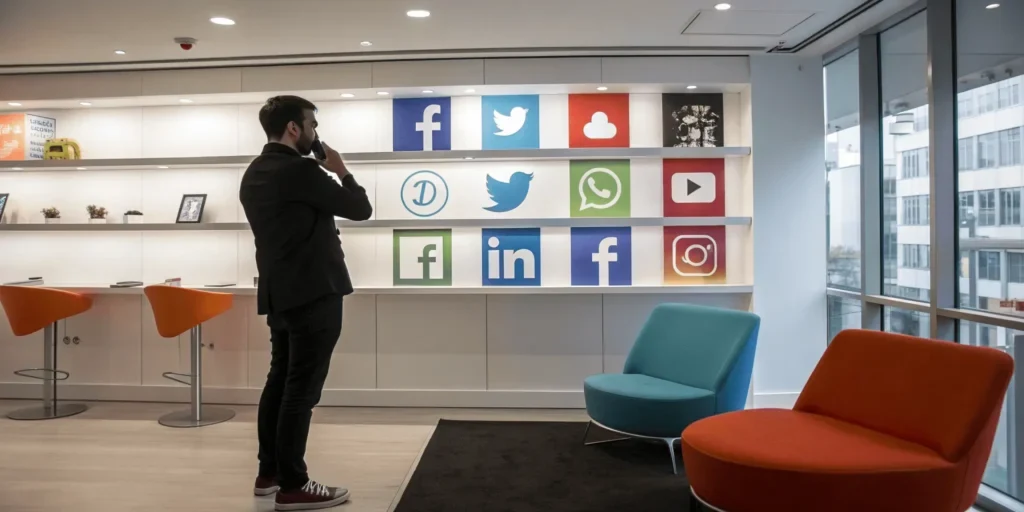
Social media is a core channel marketing strategy for reaching a wide audience and building brand presence. It fuels awareness, sparks engagement, and drives traffic to your site.
How it works:
Share valuable content to attract followers
Run targeted ads to reach specific groups
Reply to comments and messages to keep conversations going
Best for: eCommerce, B2C products, and service businesses
2. WhatsApp Marketing
WhatsApp is a powerful direct channel marketing tool for one-to-one connections. It allows businesses to have personal, trust-driven conversations that move buyers toward a decision. Perfect for personalized gifts, custom services, and consultations.
How it works:
Set up WhatsApp Business with product catalogs and quick replies
Send updates, offers, and tailored messages
Use it as a direct sales or customer service channel
Best for: Small businesses, personalized services, local shops, consultants
3. Email Marketing
Email remains one of the strongest marketing channels definition wise for building relationships over time. It nurtures leads, delivers valuable content, and keeps your brand present in the customer’s inbox.
How it works:
Offer lead magnets like free templates or guides
Build automated drip campaigns
Segment lists for tailored messaging
Best for: B2B, SaaS, coaches, educators
4. Content Marketing (Blogs, SEO, Videos)
Content marketing is a long-term channel marketing strategy that builds trust and drives organic growth. High-quality, optimized content positions your brand as the go-to resource.
How it works:
Publish SEO-optimized blog articles
Create videos explaining products or processes
Develop tutorials, guides, or case studies
Best for: SaaS, service-based businesses, online courses
5. Paid Advertising (Google Ads, Meta Ads)
Paid ads offer a fast way to attract targeted visitors using channel marketing. They’re measurable and effective for testing new offers or scaling proven ones.
How it works:
Bid on specific keywords or demographics
Drive traffic to optimized landing pages
Use retargeting campaigns to bring back interested visitors
Best for: Ecommerce, launches, fast-testing offers
6. Influencer & Affiliate Marketing
This channel leverages the trust and reach of creators, influencers, and partners. It works best for consumer brands aiming for rapid audience growth.
How it works:
Identify influencers with audiences similar to yours
Offer commission or flat fees for promotion
Track performance with custom codes or links
Best for: Fashion, beauty, food, lifestyle products
Mixing Marketing Channels for Better Results
Combining multiple channels creates a path that guides people from awareness to purchase and beyond.
Marketing Channel Mix Example
Dulkar runs a handmade gift shop that turns customers’ stories into art. He started with random Facebook posts but traffic was low. After defining his ideal customer, he finds young, emotionally-driven women shopping for partners as his ideal customer. He shifted to Instagram and Pinterest. He added email capture on his website and began sending weekly gift ideas via email. WhatsApp became a direct line to existing clients for updates, offers, and personal messages.
Why This Approach Worked
Instagram and Pinterest connected perfectly with the emotional, visual nature of his brand.
Email and WhatsApp allowed nurturing, upselling, and ongoing relationship building.
SEO blog posts contributed to long-term traffic growth.
Today, Dulkar uses a four-channel system:
Instagram
for awareness
Pinterest + SEO blog posts
for discovery
Email + WhatsApp
for conversion and upselling
Don’t Forget: Multi-Channel Doesn’t Mean Everywhere Spreading efforts across every platform dilutes the message. Focus on 2–3 channels that fit your product, audience, and capacity.
How to Mix Channels Effectively
A strong channel marketing strategy aligns multiple platforms to move customers smoothly through their journey. For instance:
Awareness through Instagram Reels
Engagement through WhatsApp
Sale confirmation via email
Consistency across channels is essential. Every message should reinforce the same brand story and value.
Best Practices
Start with 1–2 channels, measure results, then scale gradually.
Focus on platforms where your ideal customer is active.
Track performance regularly to understand which channels drive impact.
Running multiple channels works best when each piece fits into a bigger picture. The SMART Marketing Framework gives you that clarity. It shows how your Story, Mechanism, Allocation, Response, and Tracking connect, so every post, email, or message moves your audience forward. Instead of hopping between platforms blindly, you see which actions matter most and where to focus your energy. With this approach, channels work together, results become measurable, and scaling your efforts feels manageable.